The Ultimate Guide to Emergency Gearbox Repair
When your vehicle’s gearbox fails unexpectedly, it can disrupt your entire routine. Acting quickly can save you from costly breakdowns and extended downtime. This guide provides in-depth explanations of common gearbox problems, clear step-by-step instructions for basic diagnostics, and practical tips for choosing reputable gearbox repair services — everything you need to handle an emergency with confidence.
Understanding Common Gearbox Problems
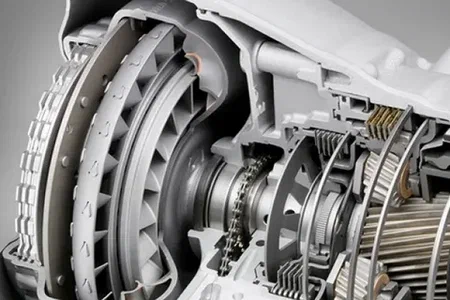
Your gearbox (or transmission) is one of the most critical components of your vehicle, responsible for transferring power from the engine to the wheels. Recognizing issues early is essential for preventing expensive repairs. Common problems include:
- Slipping Gears – Unexpected gear changes or loss of power while driving
- Unusual Noises – Grinding, clunking, or whining sounds caused by worn gears or bearings.
- Fluid Leaks – Red or brown transmission fluid under your car signals failing seals or gaskets.
- Delayed or Rough Shifting – Hesitation or jerky movements when changing gears due to mechanical or hydraulic faults.
Being aware of these warning signs prepares you for faster, more accurate gearbox diagnostics.
Step-by-Step Gearbox Diagnostics You Can Perform Yourself
While a professional mechanic should always confirm the issue, you can perform some simple checks before booking an appointment. These steps will help you explain the problem clearly to a repair shop:
- Check Transmission Fluid Levels
Low or dirty fluid often causes shifting problems. Refer to your vehicle’s manual for the correct fluid type and level. - Listen for Unusual Sounds
Take note of when noises occur — accelerating, braking, or shifting — to help technicians identify the problem. - Inspect for Leaks
Look underneath your car for transmission fluid spots. Leaks should be fixed immediately to prevent further damage. - Watch for Dashboard Warnings
Modern vehicles often display transmission or check-engine lights when there’s a gearbox issue.
Following these basic gearbox diagnostic steps allows you to communicate clearly with repair specialists and may help avoid additional costs.

Leave a Reply