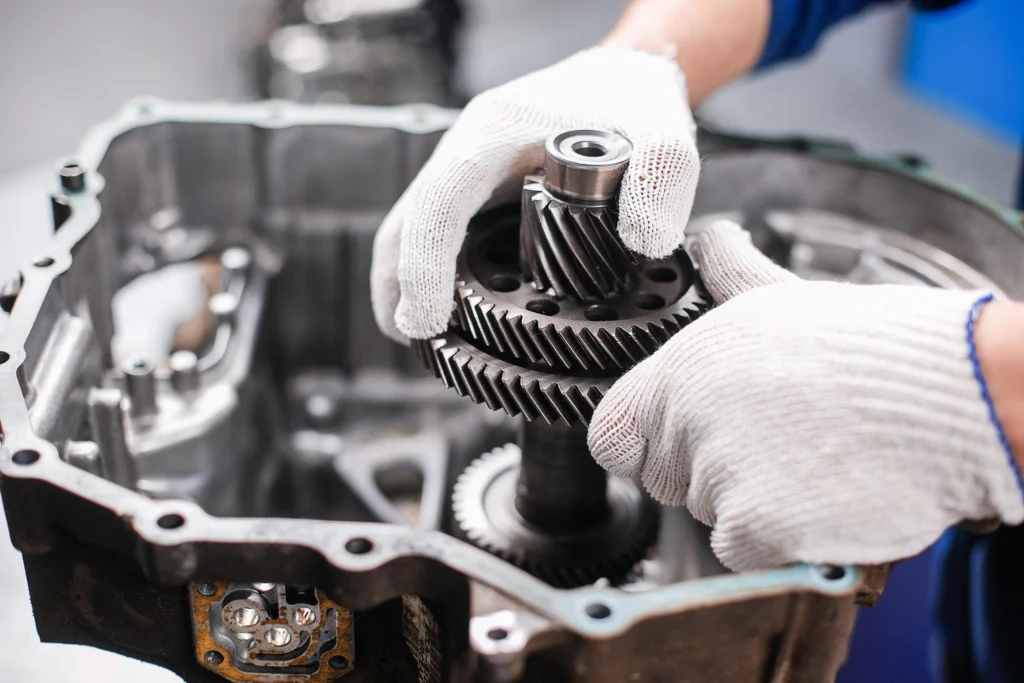
Signs Your Gearbox Needs Repair: Early Warning Indicators
Your gearbox is a crucial part of your vehicle’s performance, and catching problems early can save you significant time and money. This guide highlights the early signs of gearbox issues, offers practical advice on when to seek professional help, and shares cost-saving tips for early intervention.
Why Recognizing Gearbox Warning Signs Matters
Ignoring minor gearbox issues can lead to catastrophic damage and expensive repairs. By learning to spot warning signs early, you can:
- Schedule timely servicing.
- Avoid breakdowns.
- Save money on repairs.
This guide covers:
- Key symptoms indicating your gearbox may need attention.
- Clear guidance on when to visit a mechanic.
- Practical tips to save money through early action.
Top Gearbox Warning Signs to Watch For
If you notice any of the following symptoms, your transmission may require prompt inspection or repair:
1. Slipping Gears
Your vehicle unexpectedly changes gears or loses acceleration while driving.
2. Unusual Noises
Grinding, clunking, or whining sounds during gear changes can signal worn bearings or internal damage.
3. Delayed or Rough Shifting
Hesitation, jerking, or hard shifts are classic gearbox repair indicators.
4. Fluid Leaks
Red or brown spots under your car indicate leaking transmission fluid. Low fluid can cause overheating and major damage.
5. Dashboard Warning Lights
Transmission or check-engine lights often point to gearbox trouble.
Recognizing these warning signs early is your first step toward preventing major repairs.
When to Seek Professional Help
While some minor issues can be monitored at home, professional servicing should never be delayed once symptoms appear. Book a mechanic immediately if:
- Persistent or Worsening Symptoms – Noises or shifting problems continue after fluid checks.
- Visible Fluid Leaks – Any ongoing leak can quickly lead to transmission failure.
- Dashboard Alerts – Warning lights should be diagnosed by a qualified technician.
A certified shop can run diagnostics to pinpoint the problem and recommend the most cost-effective repair.
Cost-Saving Tips for Early Intervention
Catching issues early can significantly reduce repair costs. Use these strategies:
1. Schedule Routine Inspections
Annual gearbox check-ups help catch problems before they escalate.
2. Follow Maintenance Schedules
Stick to fluid changes and service intervals recommended by your manufacturer.
3. Act Promptly
Don’t wait until symptoms worsen; early repairs are cheaper than full rebuilds.
4. Use Trusted Mechanics
A reputable shop may charge slightly more upfront but prevents repeat issues and unnecessary costs.
These proactive steps help you avoid expensive breakdowns and extend your gearbox’s lifespan.

Leave a Reply