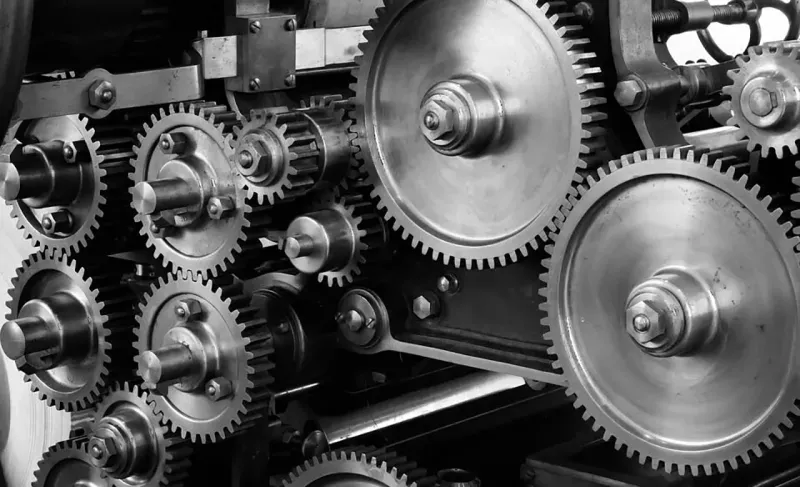
High-load industrial machines depend heavily on gearboxes to deliver power, speed, and torque with precision. But because these machines operate under extreme stress, the risk of gearbox failure is much higher. A single failure can cause unexpected downtime, expensive repairs, and unsafe working conditions.
The good news? Most gearbox failures can be prevented with the right maintenance strategies. Below is a complete guide you can publish on your website to help customers protect their equipment and avoid costly breakdowns.
1. Maintain Proper Lubrication
Lubrication is the number one factor in preventing gearbox failure.
Why it matters:
- Reduces metal-to-metal friction
- Prevents overheating
- Protects gears and bearings
- Reduces wear over time
Tips:
- Use only manufacturer-approved lubricants
- Check oil levels weekly
- Change oil at recommended intervals
- Keep oil clean and free of contaminants
Dirty or low-quality oil is one of the fastest ways a gearbox can fail.
2. Monitor Temperature and Cooling
High-load machines naturally produce heat, but excessive temperature is a warning sign.
Prevention Tips:
- Install temperature sensors
- Ensure cooling fans and systems are working
- Inspect gearbox ventilation
- Stop operation if the gearbox overheats
Overheating accelerates damage to gears, bearings, and lubrication.
3. Ensure Proper Alignment
Misalignment is one of the most common causes of gearbox failure in heavy machinery.
Misaligned shafts create:
- Excessive vibration
- Uneven gear wear
- Bearing damage
- Increased energy consumption
Prevention Tips:
- Check shaft alignment during installation
- Inspect alignment every 3–6 months
- Use laser alignment tools for accuracy
Proper alignment significantly extends gearbox life.
4. Avoid Overloading the Equipment
High-load machines have strict capacity limits.
When overloaded:
- Gear teeth crack or break
- Bearings fail prematurely
- The gearbox overheats under stress
Preventive Measures:
- Never exceed recommended load
- Use load-monitoring systems
- Train operators on machine limits
Even small overloads repeated daily can lead to major failure.
5. Implement Vibration Monitoring
Vibration is one of the earliest indicators of damage.
Excess vibration may indicate:
- Imbalance
- Worn bearings
- Loose bolts
- Misaligned shafts
- Gear tooth damage
How to prevent failure:
- Install vibration sensors
- Perform a vibration analysis every 6–12 months
- Address abnormal readings immediately
Catching vibration problems early can prevent catastrophic breakdowns.
6. Keep the Gearbox Clean and Protected
Dust, moisture, and debris can enter the gearbox and cause internal damage.
Prevention Tips:
- Keep the area around the gearbox clean
- Inspect seals regularly
- Protect machines in dusty or wet environments
- Replace worn or cracked seals immediately
Contamination is often silent but very destructive.
7. Schedule Regular Professional Inspections
High-load machines need more frequent inspections than standard equipment.
Recommended:
- Monthly mini-inspection
- Quarterly maintenance check
- Annual full diagnostic test
Professional inspections include:
- Oil analysis
- Gear tooth examination
- Load testing
- Vibration and thermal checks
These inspections identify issues long before they cause failure.
Conclusion
Preventing gearbox failure in high-load machines requires a proactive maintenance approach — from proper lubrication and alignment to vibration monitoring and routine inspection. When these preventive steps are followed consistently, machines last longer, perform better, and avoid unexpected breakdowns.
For professional gearbox maintenance or emergency repair services, Emergency Gearbox Repair is always ready to help you protect your equipment and maintain smooth, reliable operations.

Leave a Reply