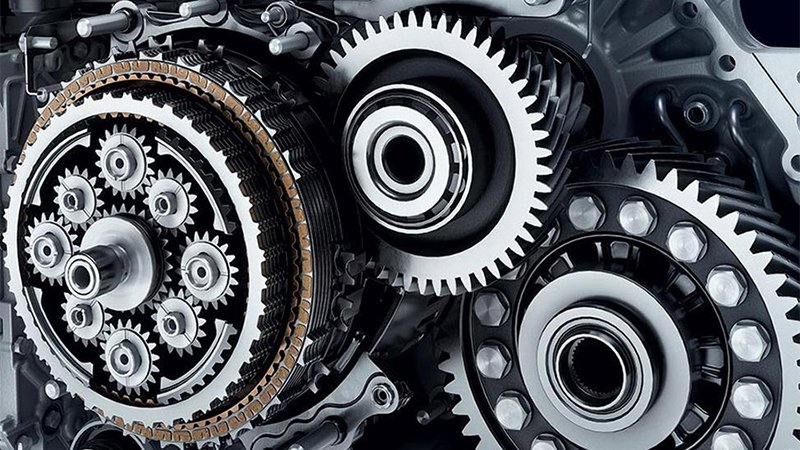
Industrial gearboxes are critical components in heavy machinery, and their performance directly affects production output, safety, and overall equipment lifespan. One of the best ways to prevent costly downtime is by performing regular gearbox inspections — but how often should you actually inspect an industrial gearbox?
Below is a clear, professional guide you can publish on your site to help your audience understand proper inspection frequency and why it matters.
Why Regular Gearbox Inspection Is Important
Industrial gearboxes operate under high loads, harsh environments, and continuous use. Without regular inspection, minor issues like worn bearings or contaminated lubrication can quickly turn into major failures.
Routine inspections help:
- Detect early signs of damage
- Prevent unexpected breakdowns
- Reduce repair and replacement costs
- Maintain performance and efficiency
- Extend the lifespan of your equipment
Recommended Inspection Frequency
1. Basic Visual Inspection – Weekly or Bi-Weekly
A quick inspection should be done every week or every two weeks.
This includes checking:
- Oil levels
- Oil leaks around seals
- Unusual noises
- Loose bolts or couplings
- Temperature changes
- Visible vibration or shaking
This simple check helps identify surface-level issues before they become serious.
2. Standard Maintenance Inspection – Every 3 to 6 Months
A more detailed inspection should be done every 3–6 months, depending on how heavily the gearbox is used.
This inspection typically includes:
- Checking alignment
- Inspecting bearings and seals
- Examining gears for wear
- Verifying lubrication quality
- Testing for abnormal vibration or noise
This level of inspection prevents internal damage and confirms that the gearbox is running smoothly.
3. Full Diagnostic Inspection – Once Per Year
A complete, professional inspection should be performed once a year.
This may include:
- Gear tooth analysis
- Oil sampling and contamination testing
- Thermal imaging
- Vibration analysis
- Load testing
- Internal component inspection (if needed)
Yearly inspections help uncover hidden problems that daily operators may not detect.
4. High-Demand or Harsh-Environment Gearboxes
Some gearboxes need more frequent inspections, including:
- Continuous 24/7 operation
- High loads or high torque
- Extreme temperatures
- Dusty, wet, or corrosive environments
- Heavy manufacturing or mining
In these cases, inspections may be required monthly or even weekly, depending on operational stress.
Signs You Need an Immediate Inspection
Regardless of schedule, you should inspect the gearbox immediately if you notice:
- Sudden noise changes
- Rapid temperature increase
- Oil leaks or contaminated lubrication
- Excessive vibration
- Performance reduction
- Burning smell
- Visible damage
These signs can indicate early failure and should never be ignored.
Conclusion
Industrial gearboxes should be inspected regularly from weekly visual checks to annual, full diagnostic assessments. Consistent inspections not only prevent unexpected failures but also protect your machinery, reduce downtime, and save money on major repairs.
If you want a reliable, industry-standard inspection schedule, Emergency Gearbox Repair offers professional gearbox diagnostics, maintenance programs, and emergency services to keep your equipment operating at peak performance.

Leave a Reply