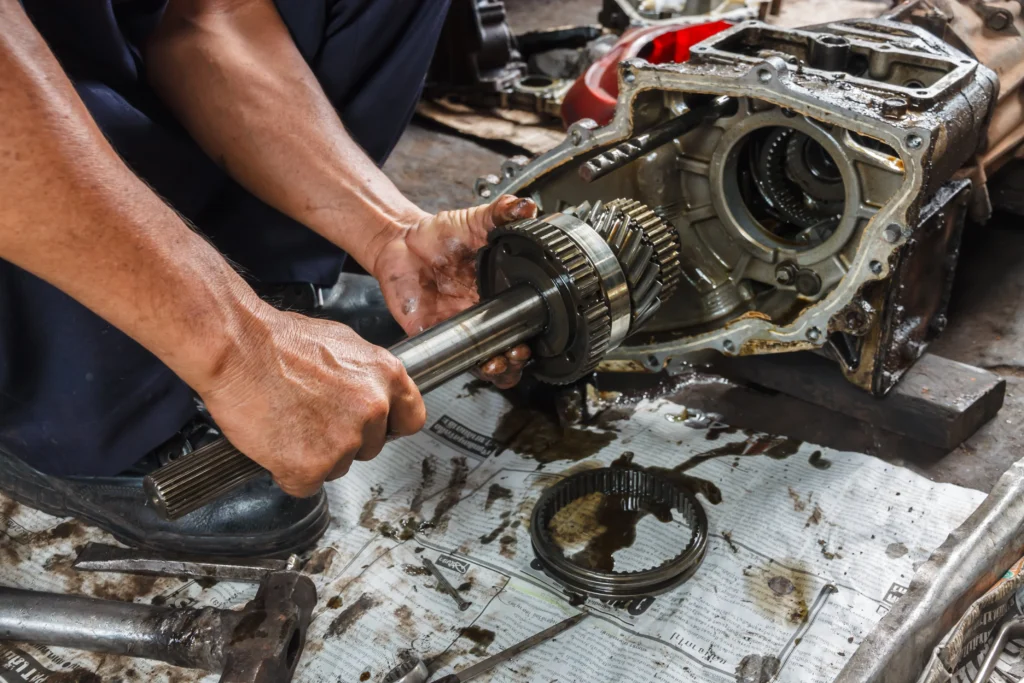
How to Extend the Life of Your Gearbox: Maintenance Tips and Tricks
Your gearbox is the heart of your vehicle’s powertrain, and proper care ensures smooth driving, reduced repair costs, and a longer service life. This guide offers practical gearbox maintenance advice to help you prevent common gearbox failures and keep your vehicle running at its best.
Why Gearbox Maintenance Matters
Neglecting your gearbox can lead to expensive repairs, breakdowns, or even total transmission failure. With regular care and timely servicing, you’ll minimize wear and extend its lifespan. This article covers:
- Routine maintenance schedules to keep your gearbox healthy.
- DIY checks for early problem detection before they escalate.
- Recommendations for professional servicing to ensure quality care.
- Routine Gearbox Maintenance Schedules
A consistent maintenance routine is the foundation of good gearbox care. Follow these guidelines to keep your transmission in top shape:
- Check and Change Transmission Fluid;
Inspect fluid levels monthly and change it according to the manufacturer’s schedule — typically every 30,000–60,000 miles. - Inspect the Cooling System;
Transmission fluid must stay cool. Ensure your radiator and transmission cooler are functioning properly. - Drive Smoothly;
Avoid aggressive acceleration or heavy towing beyond your vehicle’s capacity. Gentle driving reduces internal stress on your gearbox. - Service at Regular Intervals;
Schedule professional inspections annually or at mileage milestones recommended by your manufacturer.
Following these gearbox maintenance steps significantly reduces the risk of sudden breakdowns.
DIY Checks for Early Problem Detection
You don’t have to be a mechanic to spot early signs of trouble. Regular at-home checks help prevent gearbox failure and can save you costly repairs later:
- DIY Checks for Early Problem Detection: You don’t have to be a mechanic to spot early signs of trouble. Regular at-home checks help prevent gearbox failure and can save you costly repairs later:
- Monitor Fluid Color and Smell: Healthy transmission fluid should be bright red and smell clean. Dark or burnt-smelling fluid signals a problem.
- Listen for Unusual Sounds: Whining, clunking, or grinding noises during shifts often indicate internal wear.
- Watch for Warning Lights: Dashboard indicators, especially “check engine” or transmission warning lights, should never be ignored.
- Check for Leaks: Look under your car for red or brown fluid spots. Promptly address any leaks to prevent damage.
These simple gearbox care tips give you an early warning system for potential issues.
Recommendations for Professional Servicing
Even with excellent DIY maintenance, some tasks require a professional touch. Here’s what to look for when scheduling gearbox servicing:
- Certified Technicians – Choose ASE-certified or manufacturer-approved mechanics for reliable service.
- Specialized Equipment – Ensure the shop uses the correct diagnostic tools and OEM-quality parts.
- Clear Service Records – Ask for a detailed service report after each visit to track your gearbox’s health.
A trustworthy repair shop ensures your gearbox receives the care it needs and extends its lifespan even further.

Leave a Reply